


10 Reasons Your Commercial Fleet Tires Aren’t Lasting (And How to Fix It)
If you’re running a fleet in Smithers, BC, you already know that tires are one of your biggest line-item expenses. Between the demanding climbs on Highway 16 and the unpredictable Northern BC weather, your rubber takes a beating. But here’s the thing: most fleet tires don’t actually die of old age: they’re “murdered” by factors that are completely preventable.
At Tatlow Tire 2024, we’ve spent over 14 years helping local owner-operators and fleet managers keep their trucks on the road. As a Red Seal mechanic-led shop, we’ve seen every type of premature wear pattern under the sun. Seeing a set of premium tires go bald 30,000 kilometers early is a tough pill to swallow, especially when the fix was a simple adjustment.
If your tire budget is spiraling out of control, here are the 10 most common reasons your commercial fleet tires aren’t lasting: and exactly how you can fix them.
1. Underinflation: The Silent Killer
Underinflation is the undisputed heavyweight champion of tire destruction. When a tire doesn’t have enough air, it can’t maintain its shape. The sidewalls flex too much, generating internal heat. Heat is the enemy of rubber; it breaks down the casing and leads to blowouts.
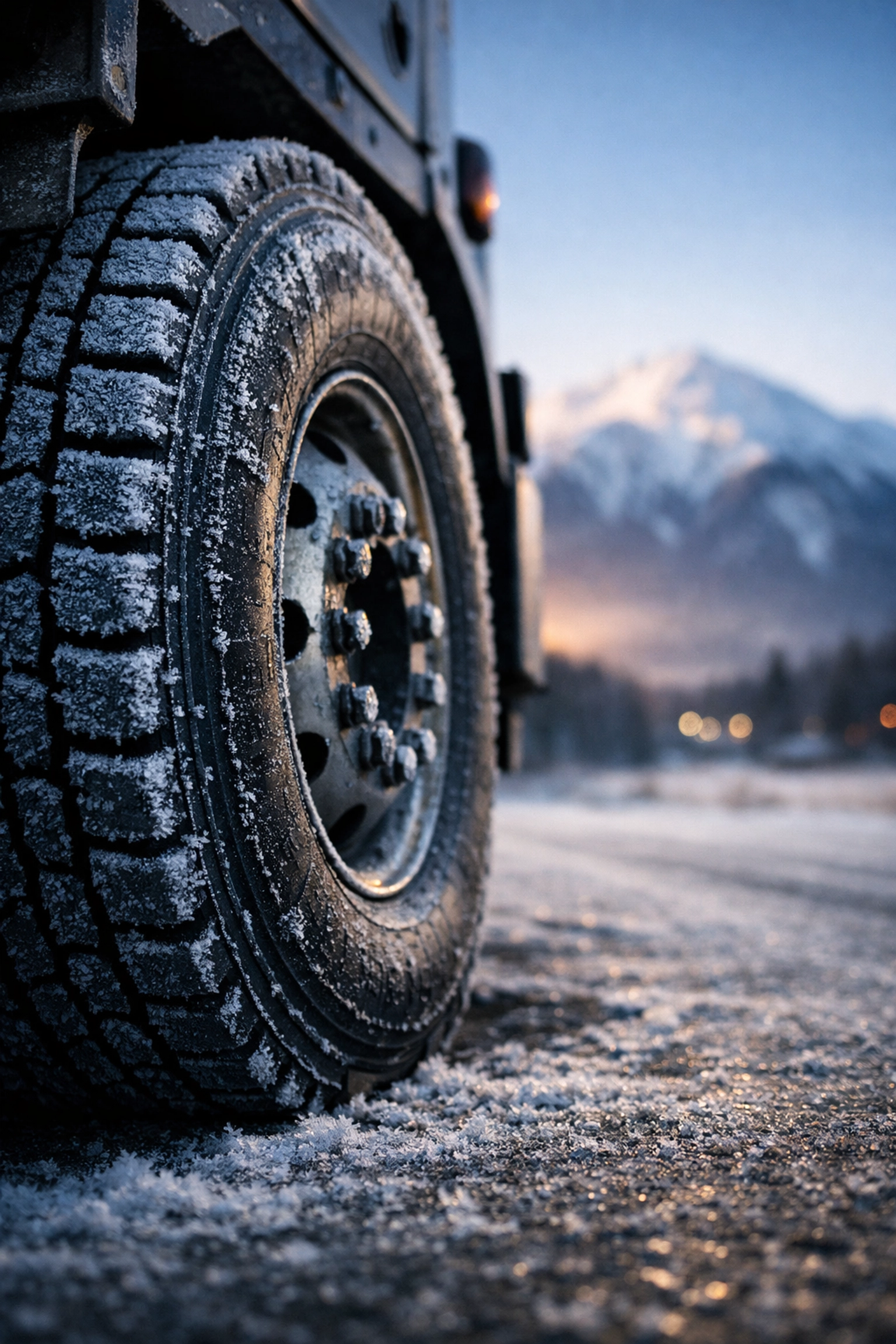
In Smithers, the cold is a major factor. For every 10°F (about 5.5°C) the temperature drops, your tires lose roughly 1 PSI. If your drivers aren’t checking pressures on those -30°C mornings, they’re likely running on tires that are significantly underinflated.
The Fix: Implement a strict pre-trip pressure check. Even a tire that is 10% underinflated will see a drop in fuel economy and a significant increase in tread wear. We often tell our clients that proper tire maintenance saves you money in the long run more than almost any other preventative task.
2. Overinflation: High Pressure, High Wear
On the flip side, some folks think that “more is better” when it comes to air. Overinflating a tire makes it stiff and rounds out the tread face. This causes the center of the tire to take all the weight, leading to rapid wear down the middle while the shoulders look brand new.
The Fix: Always follow the manufacturer’s load and inflation tables. Don’t guess. If you aren’t sure what the “sweet spot” is for your specific load weights, stop by the shop and we’ll help you dial it in.
3. Misalignment: The “Shopping Cart” Effect
Have you ever used a shopping cart with one wonky wheel that pulls to the side? That’s exactly what happens to your truck when the alignment is off. If your wheels aren’t pointing exactly where they should, the tires are essentially being dragged sideways across the pavement. This leads to “feathering” or one-sided wear.
The Fix: Get your alignment checked at least once a year, or immediately if a driver reports the truck is pulling or the steering wheel is off-center. If you notice your car shakes at highway speeds, it’s often a sign that your wheel assembly needs professional attention.
4. Worn Suspension Components
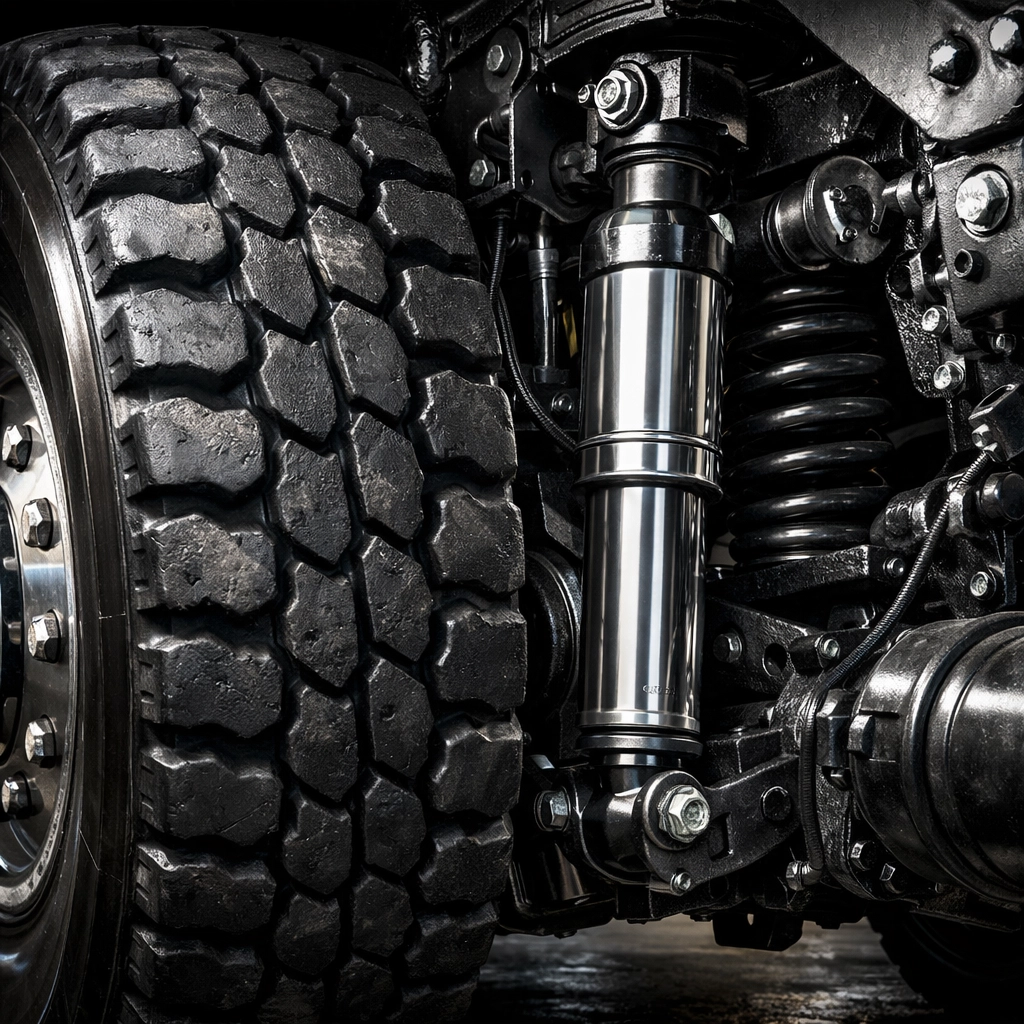
Tires are like a diagnostic “message board” for your truck. If your shocks, struts, or bushings are shot, the tire will bounce or “hop” down the road instead of rolling smoothly. This creates “cupping”: scalloped dips in the tread that look like someone took an ice cream scoop to your tire.
The Fix: Don’t just replace the tire; fix the source. Inspect your king-pins and ball joints regularly. If your suspension is vibrating, it’s also putting extra stress on your brakes. We recommend staying on top of your professional brake service to ensure the whole wheel end is healthy.
5. Mismatched Duals
This is a huge one for heavy-duty fleets. If you pair a new tire with a worn one on a dual assembly, the larger (newer) tire will carry more of the load. Meanwhile, the smaller tire will scuff along the road to keep up. A difference as small as 4/32nds of an inch in tread depth is enough to cause premature failure of both tires.
The Fix: Always match tires in dual positions by brand, model, and tread depth. It might seem like an extra hassle, but it prevents the “tug-of-war” that kills casings.
6. Using the Wrong Tire for the Job
Not all tires are created equal. Using a long-haul tire for a regional delivery route that involves lots of tight turns and “curb-checking” will shred the sidewalls in no time. Similarly, using a fuel-efficient highway tire for off-road logging applications will lead to “cut and chip” damage.
The Fix: Be honest about your application. If your fleet spends half its time on gravel and the other half on the pavement, you need a specialized compound. We can help you navigate the options to find a tire that matches the Smithers terrain.
7. Improper Bead Seating
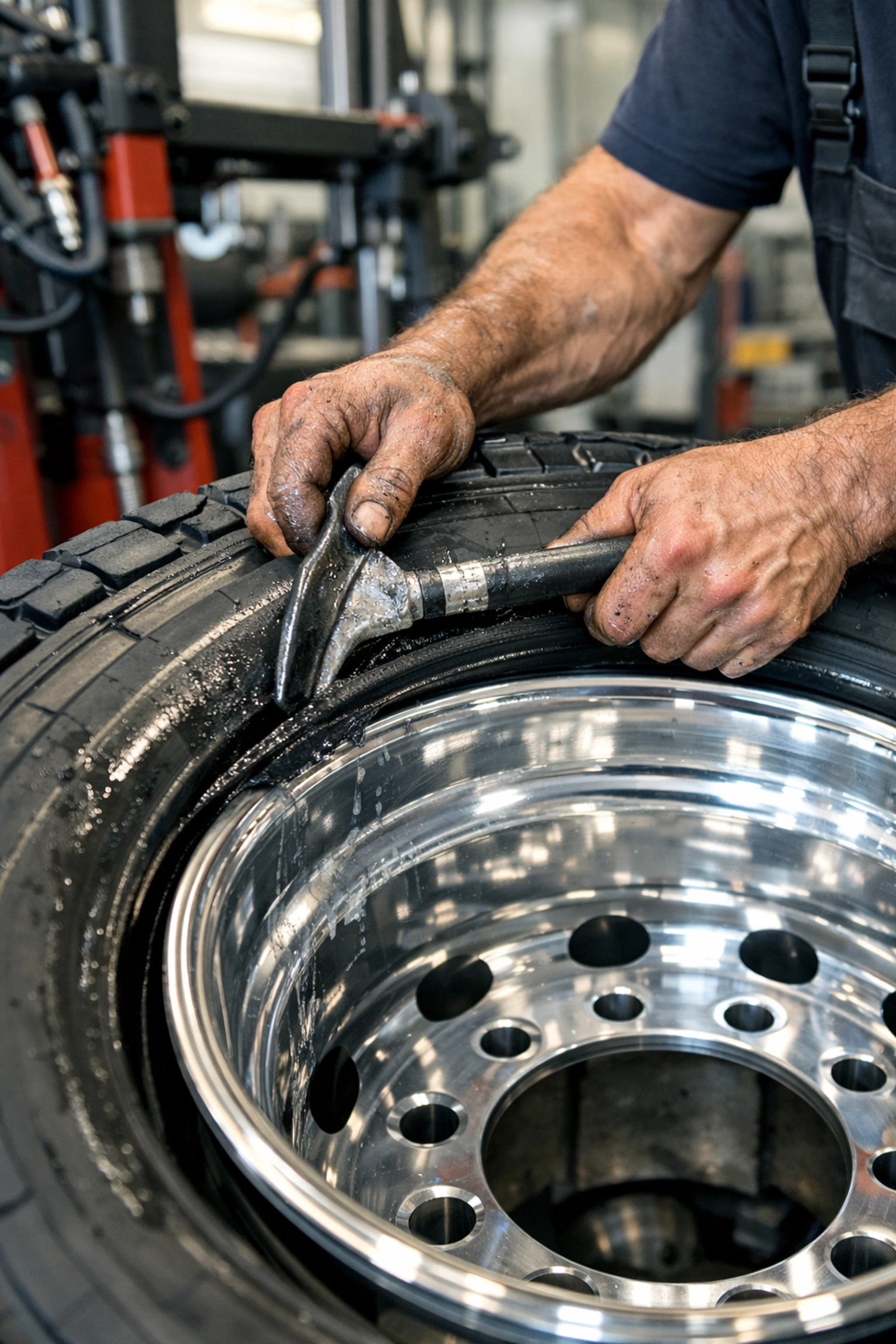
If a tire isn’t seated perfectly on the rim during installation, it will be “out of round.” This causes a wobble that wears the shoulders unevenly. This usually happens when a shop rushes the job and doesn’t use enough lubricant or fails to center the tire properly.
The Fix: Work with a shop that takes the time to do it right. At Tatlow Tire 2024, we pride ourselves on being thorough. We also check for rim corrosion and bead leaks every time a tire is mounted to ensure a perfect seal.
8. High Torque and Aggressive Driving
Modern diesel engines have incredible torque. If your drivers are “rabbit starting” at every green light or using heavy engine braking on every descent, the drive tires will develop “heel and toe” wear. The tread blocks actually start to lean over, making the tire noisy and inefficient.
The Fix: Driver education is key. Smooth acceleration and braking don’t just save tires; they save fuel. Frequent rotations can also help even out the wear caused by torque. You might even want to look into re-treading tires to get a second life out of high-quality casings that have been well-maintained.
9. Overloading
Every tire has a load rating for a reason. Exerting too much pressure on the tire causes it to flatten out more than intended, creating excessive heat in the shoulders and internal structure. This leads to rapid wear and can even cause the beads to fail.
The Fix: Know your weights. If your fleet is consistently hauling at the limit, you need to ensure your tires are rated for that specific capacity and inflated to the corresponding PSI.
10. Skipping Rotations
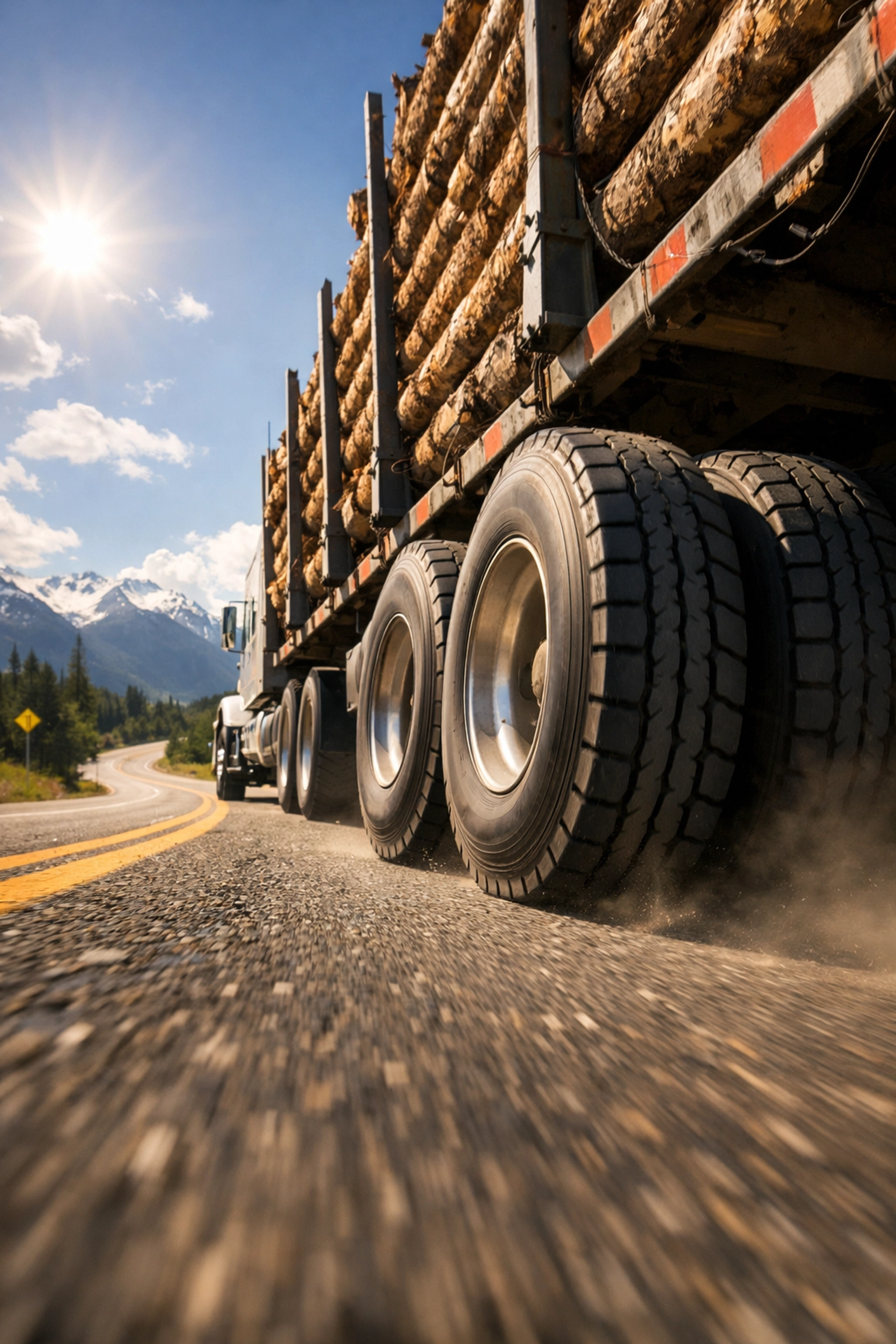
Tires don’t wear evenly on their own. Steering tires handle the turning forces, while drive tires handle the power. If you leave them in the same spot for their entire life, they will wear out prematurely in specific patterns.
The Fix: Establish a regular rotation schedule. Moving tires from “steer” to “drive” (or vice versa, depending on your setup and tire types) ensures that the wear is distributed across the whole set. Not sure how often to do it? Check out our complete guide on tire rotations.
Why Choose Tatlow Tire 2024?
Running a fleet is stressful enough without having to worry if your tire shop is being straight with you. We’ve built our reputation in Smithers on honesty and transparency. When you bring your fleet to us, you aren’t just getting a tire swap; you’re getting the eyes of a Red Seal mechanic on your equipment.
We look for the “why” behind the wear. If we see a tire with an odd wear pattern, we won’t just sell you a new one: we’ll tell you why it happened and how to fix the underlying mechanical issue so it doesn’t happen again. Whether it’s a simple flat repair or a full fleet overhaul, we’re here to keep you moving safely.
Final Thoughts
Fleet maintenance isn’t about the big disasters; it’s about the small, consistent habits. Checking your air, matching your duals, and keeping your alignment in check can add thousands of kilometers to your tire life. In a business where margins are thin, those kilometers translate directly to your bottom line.
If you’re noticing your tires are wearing out faster than they should, don’t wait until you’re stuck on the side of the road. Come see us at Tatlow Tire 2024 in Smithers. We’ll get your fleet back on track with reliable service you can trust.