


Why Your Tires Keep Losing Air in Winter: Bead Leaks, Rim Corrosion, and Slow Punctures
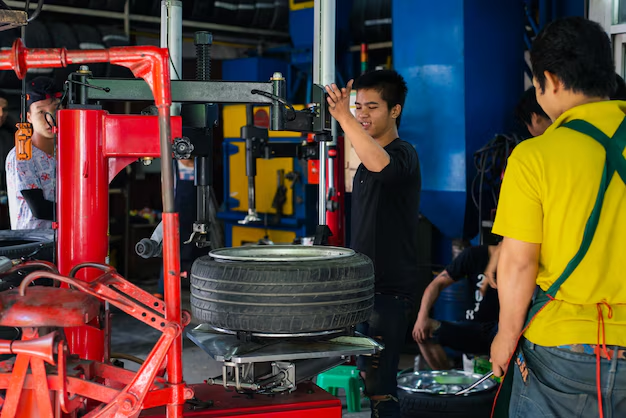
Winter is a season of cozy fires and holiday cheer, but for many drivers, it also brings the persistent headache of tires losing air. If you’re tired of frequently topping off your tires during the colder months, you’re not alone. This comprehensive guide will explore why your tires might be losing air in winter and what you can do about it. From bead leaks to rim corrosion and slow punctures, we’ll uncover the common culprits and provide practical solutions.
The Science Behind Cold Weather and Tire Pressure
Temperature Fluctuations and Air Pressure
As temperatures drop, the air inside your tires contracts, causing the pressure to decrease. This is a well-known scientific principle: for every 10-degree Fahrenheit drop in temperature, tire pressure can decrease by about 1 PSI (pound per square inch). This natural fluctuation is one reason why your tires might seem to lose air when winter arrives.
Imagine you’re setting out on a crisp winter morning; the air pressure in your tires has already reduced overnight due to the cold. This can leave you with under-inflated tires, which not only compromise your safety but also fuel efficiency. In practical terms, under-inflated tires can increase your vehicle’s rolling resistance, causing it to use more fuel to maintain the same speed.
Why Proper Tire Pressure Matters
Maintaining the correct tire pressure is crucial for vehicle safety and performance. Under-inflated tires can lead to poor handling, reduced fuel efficiency, and increased wear. Therefore, regularly checking your tire pressure during winter is essential to ensure your vehicle runs smoothly.
Consider the cost implications of neglecting tire pressure: lower fuel efficiency means more frequent visits to the gas station, which can add up over time. Furthermore, uneven tire wear from improper pressure can necessitate premature tire replacement, depending on your vehicle type.
Bead Leaks: A Common Winter Woe
Understanding Bead Leaks
A bead leak occurs where the tire meets the rim. During winter, moisture can seep into this area, especially if the rim is corroded or damaged. When the temperature drops, the moisture can freeze and expand, causing the bead to lose its airtight seal.
Let’s say you’re driving through a slushy winter day, and salt-laden water splashes onto your wheels. This moisture can penetrate the area where the tire bead sits on the rim, leading to potential leaks. Over time, this can result in a slow but persistent loss of air.
Identifying and Fixing Bead Leaks
To identify a bead leak, you might notice a slow loss of air without visible punctures. Professionals at Tatlow Tire 2024 in Smithers, BC, can help diagnose and repair bead leaks by resealing the tire to the rim or using special sealants. Regular cleaning of your wheels and rims can help prevent bead leaks by minimizing the buildup of corrosive materials.
Rim Corrosion: A Hidden Culprit
How Rim Corrosion Happens
Rim corrosion is another issue exacerbated by winter conditions. Salt and moisture from icy roads can cause the metal rim to corrode over time. This corrosion can lead to an uneven surface where the tire bead sits, resulting in air leaks.
Consider the impact of repeatedly driving on salted roads throughout winter. The salt can adhere to your rims, accelerating the corrosion process. This not only affects air retention but also compromises the structural integrity of the rims, making them more susceptible to damage from potholes or curbs.
Preventing and Addressing Rim Corrosion
To prevent rim corrosion, regularly clean your rims and apply protective coatings. Investing in high-quality wheel protectants can create a barrier against corrosive materials. If corrosion has already occurred, a professional repair or replacement might be necessary. Tatlow Tire 2024 offers services to address and prevent rim corrosion, ensuring your tires remain airtight.
Slow Punctures: The Silent Air Loss
Causes of Slow Punctures
Slow punctures are tiny holes in the tire that allow air to escape gradually. They can be caused by sharp objects like nails or debris on the road. In winter, the added stress on tires from icy and uneven surfaces can increase the risk of slow punctures.
Picture driving over a patch of ice with embedded gravel; the sharp edges can easily puncture a tire, leading to a slow air leak. These minor damages often go unnoticed until the tire pressure drops significantly.
How to Identify and Repair Slow Punctures
To find a slow puncture, listen for a hissing sound or use soapy water to spot bubbles on the tire surface. Repair kits are available for minor punctures, but for more significant issues, it’s best to consult a professional. Tatlow Tire 2024 can help locate and fix slow punctures efficiently.
The Role of Valve Stems in Winter Tire Pressure
Common Valve Stem Issues
Valve stems can wear out over time, leading to air leaks. Cold temperatures can cause the rubber in valve stems to contract, exacerbating any existing leaks.
Think about a brittle rubber band; in the cold, it becomes more susceptible to cracking. Similarly, valve stems can harden and crack in cold weather, leading to air loss.
Symptoms and Solutions for Valve Stem Leaks
Symptoms of a valve stem leak include a persistent drop in tire pressure even after inflating. Replacing faulty valve stems can prevent air loss and improve tire longevity. Tatlow Tire 2024 offers valve stem inspections and replacements to keep your tires in top shape.
Practical Tips for Maintaining Tire Pressure in Winter
Regular Maintenance Checks
Conduct regular maintenance checks to ensure your tires are properly inflated. Investing in a good-quality tire pressure gauge can help you monitor pressure levels accurately. Consider checking your tire pressure every couple of weeks during the winter months.
Seasonal Tire Adjustments
Consider switching to winter tires, which are better suited for cold conditions and provide improved traction. Properly inflated winter tires can help reduce the risk of bead leaks and punctures. Additionally, winter tires are designed to maintain flexibility in cold weather, offering better handling on snow and ice.
Professional Inspections
Routine inspections by professionals at Tatlow Tire 2024 can identify potential issues before they become significant problems. Regular tire maintenance ensures your vehicle is ready to tackle winter roads safely.
As winter sets in, don’t let tire troubles leave you stranded. By understanding the causes of air loss and taking proactive steps, you can keep your tires in excellent condition throughout the season.
If you’re experiencing persistent tire leaks, contact Tatlow Tire 2024 in Smithers, BC, for expert assistance. Our team is ready to help you with all your tire repair and maintenance needs.