


Brake Repair in Smithers: Warning Signs Your Brakes Need Attention Before Winter
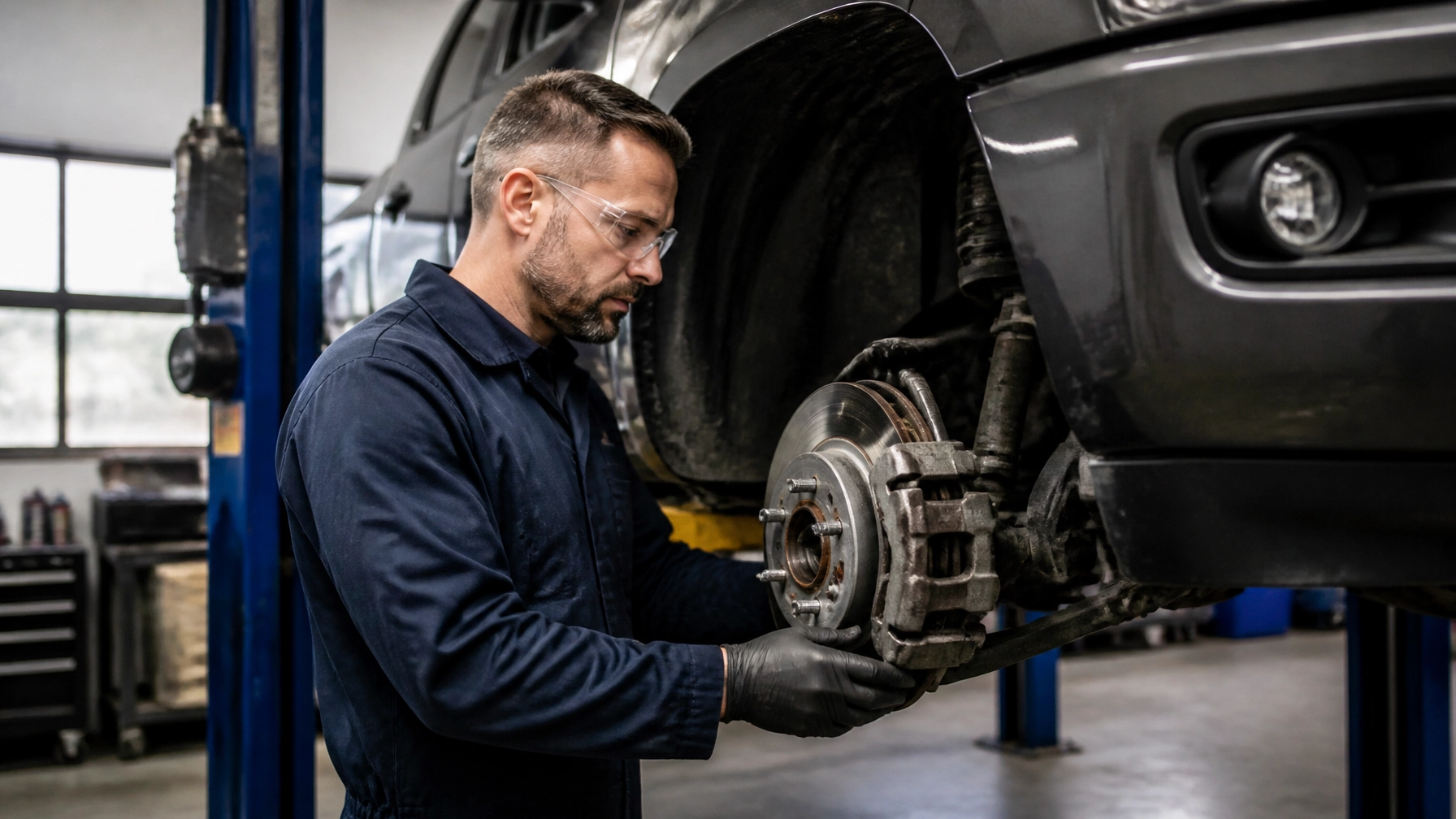
Summer road trips are winding down, temperatures are dropping, and winter is already on the horizon. Before snow, ice, and freeze-thaw cycles become part of your daily drive, take a moment to think about how your brakes have felt over the past few months.
Maybe you have noticed a faint squeal when stopping. Perhaps the brake pedal feels softer than it used to, or your vehicle pulls slightly to one side. These symptoms are easy to dismiss while roads are dry. On Highway 16 or a steep, slippery road around the Bulkley Valley, however, a small brake problem can become a serious safety concern.
Late summer and early fall are ideal times to arrange a professional brake inspection. Addressing wear now gives you more confidence before winter conditions arrive and may prevent a minor repair from becoming a larger one.
Why Brakes Work Hard Around Smithers
Your braking system converts the vehicle’s motion into heat. When you press the brake pedal, the pads clamp against the rotors: metal discs connected to the wheels. Friction slows the vehicle, but it also creates heat and gradually wears the components.
That process becomes more demanding when you regularly drive:
- Long highway distances on routes such as Highway 16
- Steep hills and extended downhill grades
- Curving mountain roads
- Gravel, uneven, or poorly maintained roads
- Stop-and-go traffic with heavy loads, trailers, or equipment
Long descents are especially tough on brakes. If you ride the pedal continuously, heat can build faster than the system can release it. This may lead to brake fade, meaning the brakes temporarily lose stopping effectiveness because they have become overheated.
Winter adds another challenge. Snow, ice, slush, and packed surfaces reduce tire grip, so your vehicle needs more time and distance to stop. The brakes may be functioning correctly, but the available traction is lower. If your brake pads, rotors, calipers, or hydraulic system are already worn, the margin for safe braking becomes even smaller.
Five Warning Signs You Should Not Ignore
1. Squealing When You Brake
A high-pitched squeal is often an early warning that your brake pads are becoming thin. Many pads include a small wear indicator designed to create noise when replacement is approaching.
However, squealing does not always mean the pads are finished. Moisture, surface rust, brake dust, or debris can also create noise. The important point is what happens next:
- If the squeal occurs briefly after rain or the vehicle sits overnight, it may be surface moisture or light rust.
- If it happens repeatedly whenever you brake, arrange a brake inspection.
- If the sound is accompanied by reduced braking, avoid delaying service.
A quick inspection can determine whether the issue requires pad replacement, cleaning, rotor service, or a closer look at another component.
2. Grinding or Metal-on-Metal Noise
Grinding is more urgent than squealing. It can mean the friction material on the brake pad has worn away and the metal backing is contacting the rotor.
Once that happens, the rotor can be damaged quickly. Stopping performance may also be reduced. If you hear a harsh grinding sound, do not treat it as a noise to monitor for another few weeks.
If grinding appears when you apply the brakes, slow down safely, avoid unnecessary driving, and contact a repair shop. Continuing along Highway 16 or through winter conditions could increase the repair required and compromise your stopping ability.
3. A Soft, Spongy, or Sinking Brake Pedal
Your brake pedal should feel reasonably firm and consistent. If it feels soft, spongy, or unusually low, the problem may involve air in the brake lines, low brake fluid, a leak, or another hydraulic fault. Hydraulic components use fluid pressure to transfer your foot’s force to the brakes at each wheel.
Think of the system like a sealed chain: pressure applied at the pedal needs to reach the calipers reliably. If air or a leak interrupts that chain, the pedal may travel farther before the vehicle slows.
- If the pedal feels slightly different only after the vehicle has been parked, test it carefully at low speed in a safe area.
- If it sinks while you hold pressure, or you need to pump it to obtain a firm feel, stop driving and seek professional help.
- If the brake warning light appears with a soft pedal, treat the issue as urgent.
Do not simply add fluid without finding out why the level is low. A professional inspection can check the fluid, lines, hoses, master cylinder, calipers, and related parts.
4. Vibration or Pulsing During Braking
A shaking steering wheel or pulsating brake pedal usually points to an uneven braking surface. Rotors can develop uneven thickness or distortion after repeated heat cycles, heavy braking, or prolonged wear.
Not every vibration comes from the brakes. Tire balance, wheel alignment, suspension parts, and tire damage can produce similar sensations. The timing helps narrow it down:
- If the vibration occurs mainly when braking, the brake rotors or related components need inspection.
- If the vehicle shakes at highway speed even when you are not braking, the cause may be tire, wheel, alignment, or suspension related.
- If the pedal pulses only during a hard stop on a slippery surface, the anti-lock braking system may be operating normally.
A technician can separate these possibilities instead of replacing parts based on symptoms alone.

5. Pulling Left or Right When Braking
If your vehicle veers to one side under braking, the braking force may not be equal at each wheel. Possible causes include uneven pad wear, a sticking caliper, contaminated friction material, or another issue affecting braking balance.
Pulling is particularly concerning on snow-covered or icy roads. A vehicle that already moves sideways during braking may be more difficult to control on a slippery curve or while avoiding an obstacle.
If the pull is mild but consistent, schedule an inspection promptly. If it is sudden, severe, or combined with a burning smell, smoke, or major loss of braking, pull over safely and arrange assistance rather than continuing your trip.
What a Professional Brake Inspection Checks
A proper brake inspection looks beyond the visible pad surface. At Tatlow Tire 2024’s auto repair service in Smithers, a technician can assess the condition and operation of the broader braking system.
Depending on your vehicle and symptoms, an inspection may include:
- Brake pad thickness and wear pattern
- Rotor condition, grooves, cracks, and uneven surfaces
- Caliper operation and signs of sticking
- Brake hoses and lines
- Brake fluid level and condition
- Parking brake operation
- Warning lights and diagnostic information
- Related wheel, tire, steering, and suspension components
This matters because the same symptom can have more than one cause. A squeal may be a worn pad, but it could also involve debris or rotor contact. A vibration may feel like a brake problem but originate in a wheel or tire. Accurate diagnosis helps you repair the actual issue.
Tatlow Tire’s mechanical repair services include brake pad replacement, rotor resurfacing, fluid checks, and brake system diagnostics. The shop is led by Sean, a certified Red Seal mechanic with over 14 years of industry experience. Just as importantly, the team focuses on explaining what they find so you can make an informed decision about your vehicle.
Brake Maintenance Before Northern BC Winter
A fall inspection is useful even when your brakes seem normal. It establishes a baseline before temperatures fall and helps identify wear before it affects winter driving.
When preparing your vehicle, ask for the brakes to be checked alongside other seasonal items, including tires, tire pressure, lights, battery, wipers, and fluid levels. Cold temperatures can affect vehicle systems, while winter road salt, grit, moisture, and repeated freeze-thaw cycles can contribute to corrosion and contamination.
You can also reduce brake stress on hills by avoiding constant pedal pressure. When appropriate for your vehicle and road conditions, select a lower gear to help control speed, then use firm, controlled braking rather than riding the brakes continuously. Always follow your owner’s manual and adjust your speed to the road.
The National Highway Traffic Safety Administration’s winter driving guidance also recommends slowing down and increasing following distance because snow and ice make it harder to control or stop a vehicle.
Book Brake Repair in Smithers Before the Weather Changes
Your brakes are not the system to test for the first time during a snowstorm. If you hear squealing or grinding, feel a soft pedal, notice vibration, or experience pulling, arrange an inspection before you depend on your vehicle for winter travel around Smithers and the Bulkley Valley.
For reliable brake repair and automotive maintenance in Smithers, contact Tatlow Tire 2024 or book an appointment. A timely inspection can help you address wear early and approach Highway 16 and local winter roads with greater confidence.